


The Dose Makes the Poison
Opinion
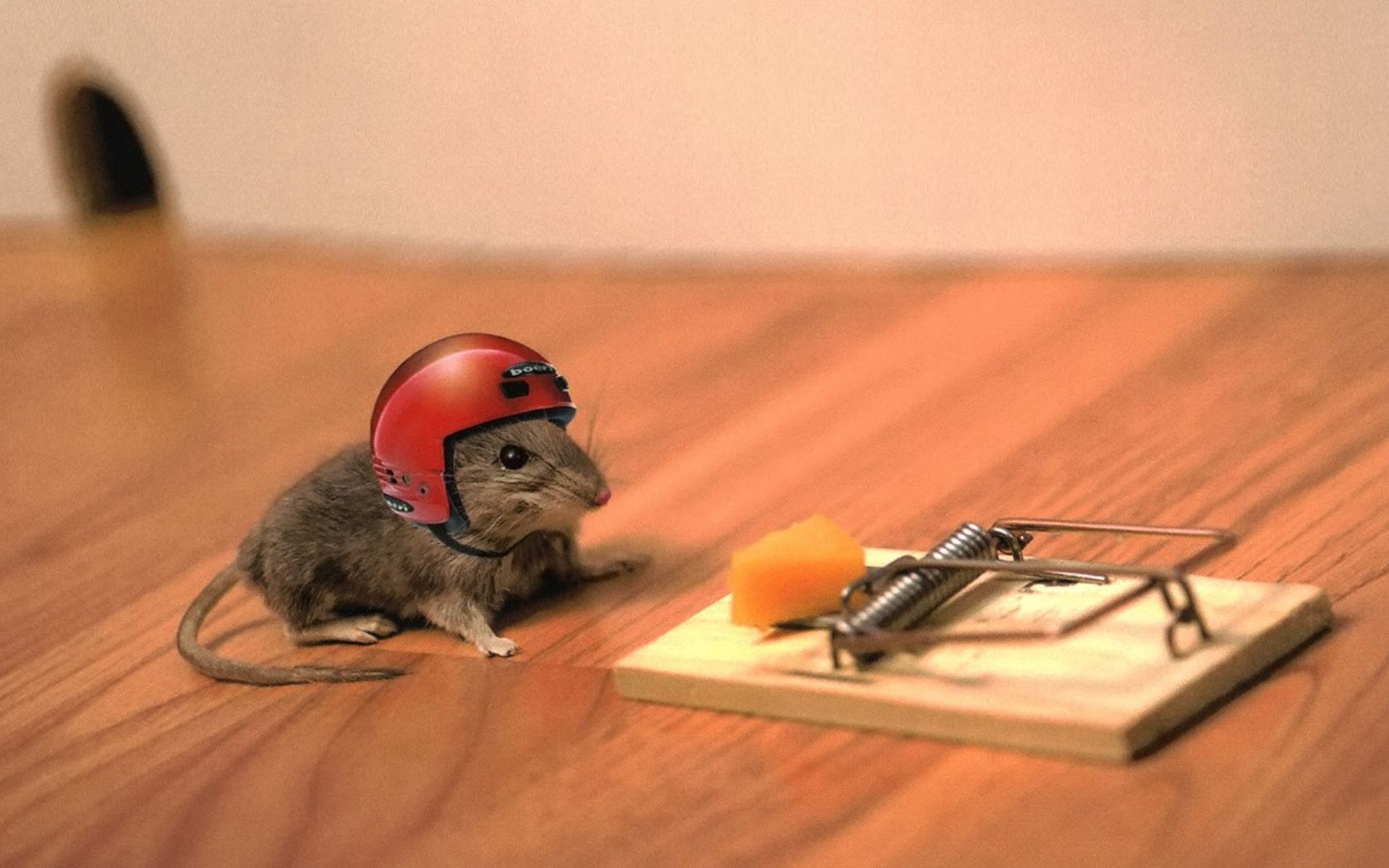
We all use a bit of denial to negotiate the outside world. Life is, after all, a constant dance with risk and reward. If we lived our lives crippled by fear and indecision, nothing would ever get done. Love would suffocate, the Earth would still be flat and smallpox, still a thing.
Instead, we keep our awareness of how much risk we dodge every day at arms-length. During our morning commute, we conserve precious cognitive energy by slamming coffee and singing along to Ani Difranco (fine, “we” is me) instead of trying to calculate statistical risk analyses of how safe it is to be on the road.
Much of life is self-distraction, metaphorically putting your fingers in your ears and humming a happy tune so as not to have to hear an unsettling truth. And that is completely ok. Healthy even. To a point.
When the denial starts to reach extreme levels, when it encourages people to ignore threats that are worthy of pause – action, even – the opposite effect occurs. Instead of freeing ourselves to be happy, innovative beings, we risk squandering valuable time in which we could be mitigating situations that only fester and extrapolate if we leave them unchecked.
Climate change, for example. A concept which seemed like a big, far-off problem just 30 years ago, is starting to flex its muscle. Climate Central reports that we just wrapped up the hottest decade on record, our hurricane seasons are increasingly violent and long, and Australia was on fire in January. And still, we argue among ourselves if the warming is even occurring. A popular argument that it is a cyclical, natural phenomenon is used as an answer, skimming over the untended problem still in need of solving.
Action is inconvenient and expensive, but we are human beings with a responsibility to use our intelligence to make life better– not to burn the planet just to warm ourselves with no consideration for future generations.
Covid-19, the new coronavirus that entered our vocabulary in December of 2019, is now the most-covered issue in global news reports. We watched China suffer deeply after locking down millions of people in an attempt to stop the spread of the disease. But it looks like the drastic measures worked. The new cases in China slowed to a trickle as they began to bloom across the rest of the world.
Our government was given a head start to brace for containment efforts but instead sat on its hands. We tested almost no one until early March. We held off on spooking the stock market for a month, but at a high price.
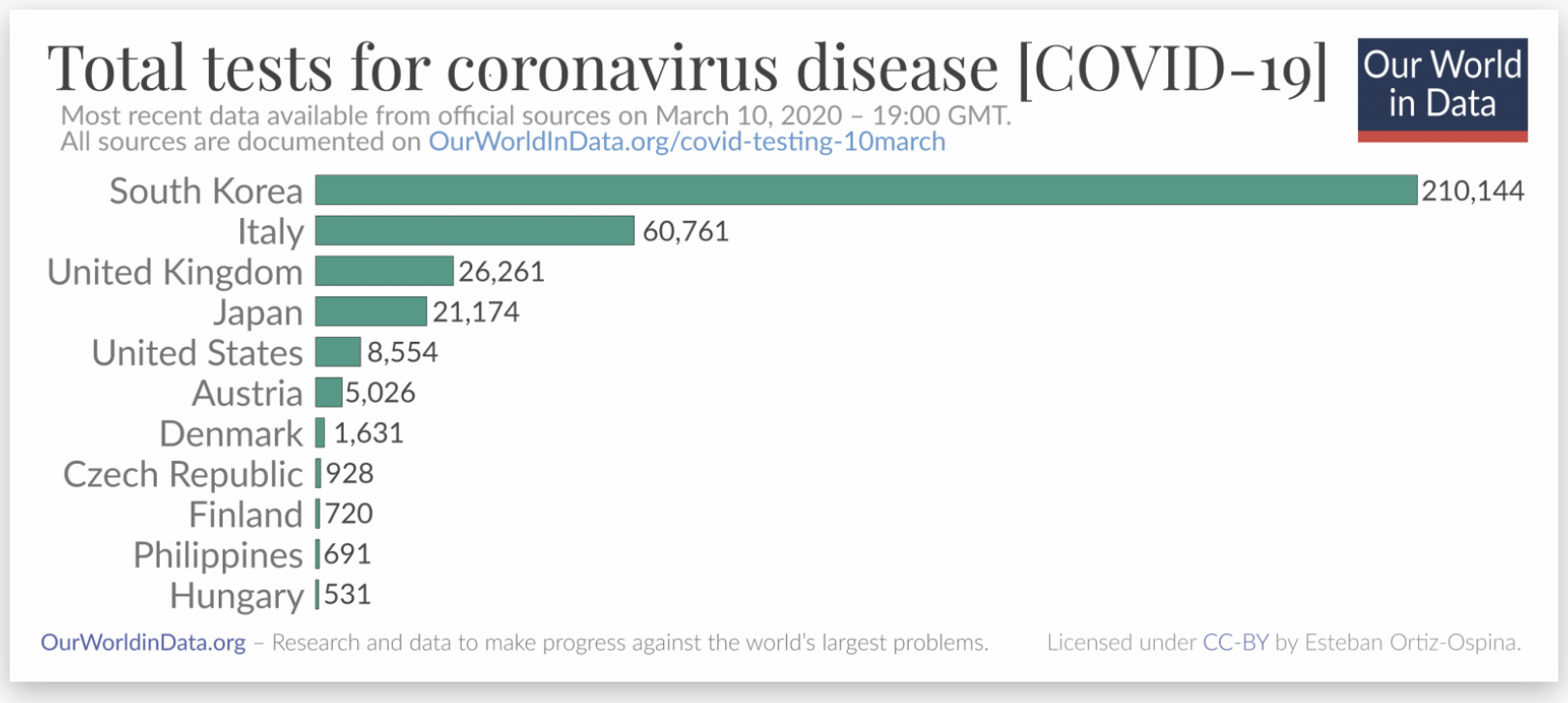
The first confirmed case of Covid-19 in the United States was in a Washington state man who recently returned from China on January 22. Testing in the area afterward was bottlenecked by the CDC’s criteria which only permitted testing to those with a travel history to affected countries. Six weeks later, Washington state is the scene of the first outbreak on American soil.
Denial of the unknown infectiousness of this disease and failure to plan ahead has given Covid-19 ample cracks to slip through. The power is in the hands of the people, but even those directly affected are shrugging off the implications of spreading this disease. According to the New York Times, when an employee of Dartmouth-Hitchcock medical center was tested for Covid-19 after returning from Italy and told to stay home in self-quarantine, he instead attended a mixer event with Dartmouth students. In Houston, KHOU11 reports that a woman attended Ash Wednesday mass at a Houston-area church after returning from an Egyptian cruise, only to learn shortly after she had tested positive for Covid-19.
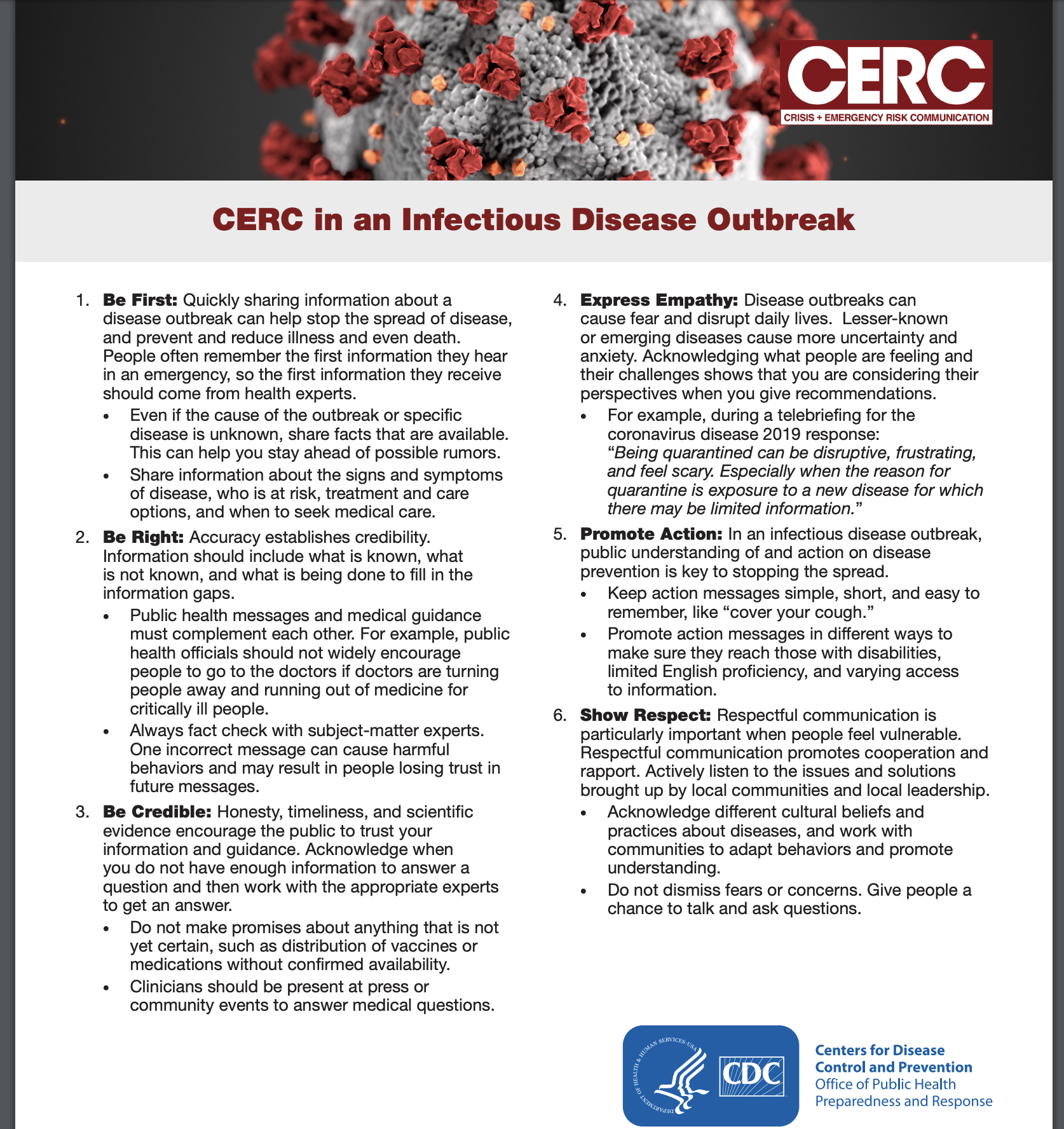
Public sentiment ranges from panic to gross minimization. Neither response will be beneficial to the mitigation of the situation. What will is a collective awareness of the facts: Covid-19 is infectious, appears to be mild for 80 percent of people, can be severe to critical for the other 20 percent, is a serious threat to the elderly and medically fragile population, and is usually mild for children (who are infected i.e. infectious, as often as adults). Look at what is happening in Italy and embrace the sense of urgency it gives you. Action through social distancing may seem like a drastic measure, but it is the most proven and effective tool we currently have.
The flu kills thousands of Americans each year and causes a great burden to our healthcare system. We don’t want to add a new infectious disease that has a much higher mortality rate to that burden.
Denial allows us to enjoy our lives, but sometimes we must pause and invest our time and attention to worthy problems. Collective effort and intention can reverse both climate change and the direction of the epidemic we are currently facing. The lesson I have learned by watching it unfold is this: we have individual power and now is the time to use it.
Lead by example. Educate your friends, share facts, follow CDC guidelines for personal hygiene habits, and for the love of all that is holy, if you are sick–stay home.